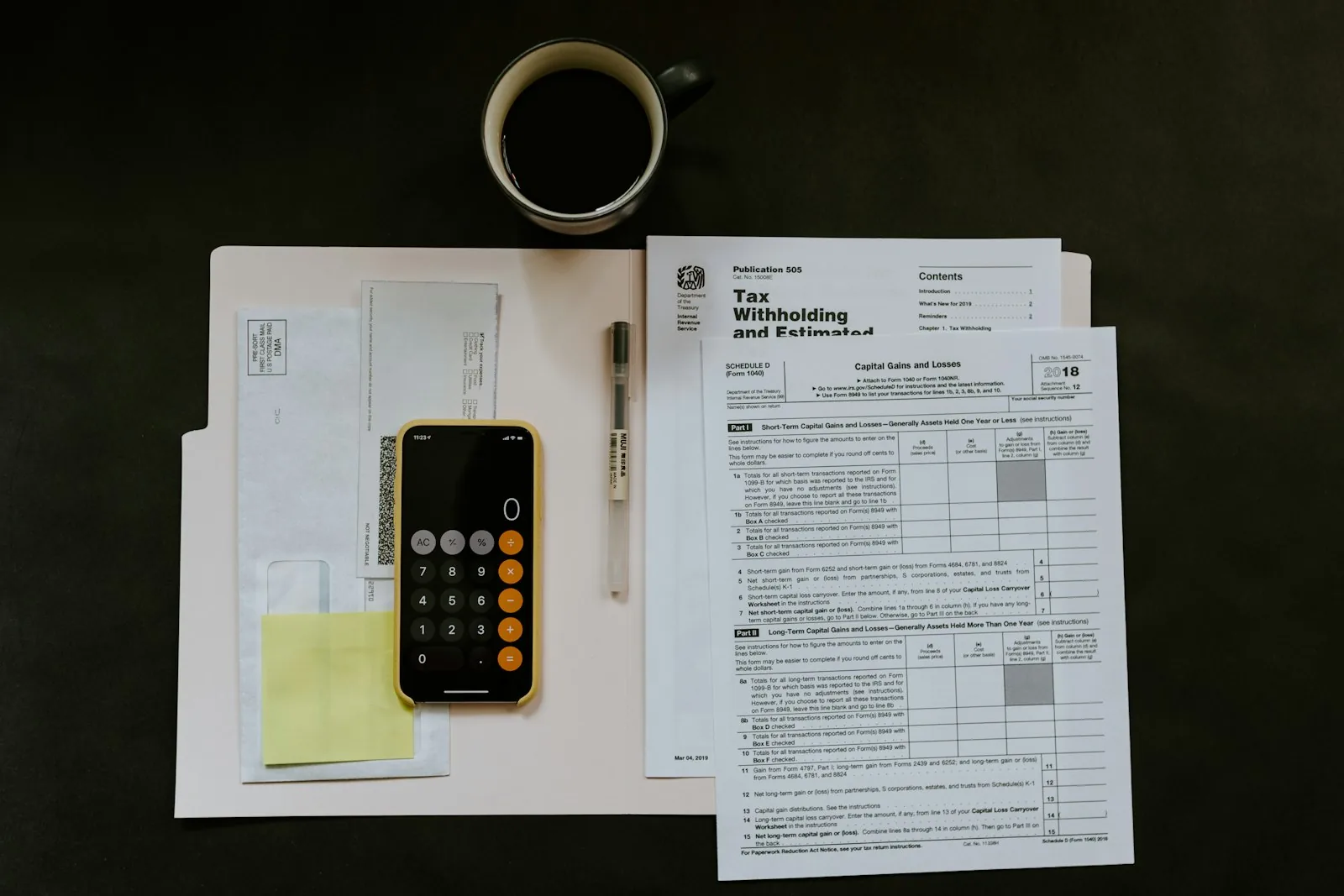
Arizona doesn't have a sales tax. It has a Transaction Privilege Tax (TPT), and the difference isn't just semantics. TPT is legally a tax on you, the seller, for the privilege of doing business in Arizona, not a tax on your customer. You can pass the cost on at checkout the way most businesses do, but you remain the one liable to the state if it doesn't get paid. That distinction drives how you register, what rate applies, and who's on the hook when something goes wrong. Here's how TPT actually works, what you owe, and how to stay compliant.
Key Takeaways
- TPT is a tax on the vendor for the privilege of doing business in Arizona, not a sales tax on the buyer, even though the cost is typically passed on to customers.
- The state TPT rate is 5.6% for most business classifications, with exceptions: transient lodging is 5.5%, mining is 3.125%, and commercial leasing is 0% at the state level.
- Counties and cities add their own rates on top of the state rate, so combined retail rates commonly run from about 7.8% to over 11% depending on location.
- TPT filing frequency depends on your estimated annual liability: annual if under $2,000, quarterly between $2,000 and $8,000, and monthly above $8,000.
- Returns are due the 20th of the month following the reporting period, and electronic filing is mandatory once your annual liability hits $500 or you operate multiple locations.
- Residential rental TPT no longer exists in Arizona as of January 1, 2025, but commercial leases are still taxable in most cities and five counties.
What is Arizona's Transaction Privilege Tax, and who pays it?
TPT applies to businesses engaged in one of 16 taxable classifications: retail sales, restaurants, contracting, transient lodging, commercial leasing, and others. Sell a product or provide a service under one of these classifications, and you need a TPT license from the Arizona Department of Revenue (ADOR), often alongside a business license from the city or cities where you operate.
ADOR collects TPT on behalf of counties and cities as well as the state, so the rate you owe depends on your specific business activity and location rather than a single statewide number. Businesses with multiple locations can license and report each one separately, or consolidate under a single license and file one aggregate return.

TPT vs. sales tax vs. use tax: what's the difference?
To most customers, TPT looks like a sales tax. Legally, it isn't one. A true sales tax is imposed on the purchaser; TPT is imposed on the seller for the privilege of transacting business, and the seller remains liable even if they never collect it from the buyer. That's why Arizona TPT law talks about "gross receipts" and "deductions" instead of taxable sales.
Use tax is TPT's companion and kicks in when TPT wasn't collected on a taxable purchase, most commonly when an Arizona resident or business buys from an out-of-state retailer that isn't registered to collect Arizona tax. The use tax rate mirrors the state TPT rate, and if you already hold a TPT license, any use tax owed can be reported under that same license instead of a separate one.
Current Arizona TPT rates
The state TPT rate sits at 5.6% for most classifications, including standard retail. A handful of classifications carry different state rates: transient lodging (hotels, short-term rentals) at 5.5%, mining at 3.125%, and commercial leasing at 0% at the state level. Counties and cities layer their own rates on top, and combined retail rates across Arizona commonly land somewhere between roughly 7.8% and over 11%, depending on exactly where the transaction is sourced.
Rates vary by address and shift periodically, so don't work off a number you memorized last year. ADOR's Tax Rate Table updates monthly and lets you look up the exact state, county, and city rate, along with the business codes you'll need to report the transaction correctly.
How to calculate your TPT liability
Start with your gross receipts for a given classification and location, then apply the combined state, county, and city rate for that address. From there, subtract any allowable deductions (resale exemptions, sales to the federal government, and similar categories) to land on your taxable base before applying the rate.
A couple of wrinkles matter in practice. Some cities apply a tiered rate structure to single-item purchases above a certain dollar threshold, so part of a large transaction can end up taxed at a different rate than the rest. Operate in more than one city or county? Each location's gross receipts need to be reported separately by jurisdiction, using the correct business and region codes, even under a single consolidated license.
Who needs a TPT license, and how do you register?
Fall under a taxable classification, and you need a TPT license before you start collecting. Registration happens through the Joint Tax Application (Form JT-1), which covers TPT, use tax, and employer withholding and unemployment insurance in a single filing shared between ADOR and the Arizona Department of Economic Security. Because that one form also sets up your withholding and UI accounts, it's worth getting right the first time, which is part of why our payroll services team gets looped in on new business registrations rather than treating TPT and payroll as separate problems.
The state license fee is $12 per location, and city fees vary by jurisdiction. One narrow exception: under A.R.S. § 42-5045, a person under age 19 can operate a business without a TPT license as long as it doesn't generate more than $10,000 in gross income for the year.
Licenses aren't permanent, either. ADOR requires annual renewal by January 1 for every calendar year, and missing that deadline triggers penalties even if you owe zero tax for the period. Businesses with multiple locations must renew electronically through AZTaxes.gov rather than by paper.
TPT filing frequency and deadlines
Your filing frequency is set by your estimated annual combined TPT liability across state, county, and city amounts, not by your revenue or business size:
- Annual: less than $2,000 in estimated annual liability
- Quarterly: $2,000 to $8,000
- Monthly: more than $8,000
Whatever your frequency, returns are due on the 20th of the month following the reporting period, per A.R.S. § 42-5014. Electronic filing of returns becomes mandatory once your annual liability reaches $500, and businesses with more than one location are separately required to handle license renewal electronically rather than by paper. Filing online is worth doing regardless of the threshold: it pre-populates much of your return and cuts down on the errors that trigger notices.
Common TPT exemptions and deductions
Not every dollar of gross receipts is taxable. Common deductions include sales for resale, sales to the federal government, prescription drugs and prosthetics, groceries at the state level (though many cities still tax food for home consumption), machinery used directly in manufacturing, and sales in interstate commerce. ADOR maintains a full deduction code table matched to each business classification, since a deduction valid for retail isn't automatically valid for another classification.
One myth worth correcting directly: Arizona does not give nonprofit organizations a blanket TPT exemption simply for holding 501(c)(3) status. Exemptions apply to specific categories, like qualifying hospitals and community health centers, not to nonprofits as purchasers generally. Claiming exemptions requires the appropriate Arizona Form 5000-series certificate on file, not just a verbal assurance to your customer.
Special cases: commercial leases, residential rentals, and remote sellers
Commercial leases: the state TPT rate on commercial leasing is 0%, but that doesn't mean commercial rent goes untaxed. Most Arizona cities tax commercial leases under business code 213, and five counties, Coconino, Gila, Maricopa, Pima, and Pinal, add their own county-level tax on commercial leases as well. Lease commercial space as a real estate investor, and this is a city and county tax question, not a state one, and it needs to be verified for your specific property location.
Residential rentals: this is where a lot of outdated advice is still circulating. Effective January 1, 2025, Arizona eliminated city TPT on residential rentals of 30 or more consecutive days. No state or county tax on residential rentals ever existed, so this ban ended the tax entirely for long-term landlords. Still see "plus applicable rental tax" on your lease? You shouldn't be collecting it, and you carry the burden of proving any charge isn't the repealed tax. Short-term rentals under 30 days are unaffected and remain taxable as transient lodging.
Remote sellers and marketplace facilitators: sell into Arizona from out of state, and you establish economic nexus once your annual gross Arizona sales exceed $100,000, whether you're an online retailer or a facilitator processing sales on behalf of others. Cross that threshold, and you're required to register and collect Arizona TPT the same as an in-state seller.

Penalties for late filing or operating without a license
Missing a filing or payment deadline gets expensive fast. Late filing carries a penalty of 4.5% of the tax due per month, capped at 25%. Late payment adds another 0.5% per month, capped at 10%, and combined penalty exposure caps at 25%. Interest accrues on top at the federal underpayment rate, compounding over time. Operate a taxable business without a TPT license at all, and you're looking at potential misdemeanor exposure in addition to the back taxes owed.
Fallen behind already? ADOR does offer penalty abatement for reasonable cause through Form 290, but that request works best when it's proactive rather than a response to a collections notice.
What this means if you're a business owner or real estate investor in Arizona
For small-business owners, the practical challenge with TPT usually isn't understanding the concept, it's keeping the mechanics straight across multiple locations, business classifications, and filing frequencies as your business grows. A business that starts as an annual filer can cross into quarterly or monthly territory within a year or two, and missing that shift is one of the more common ways businesses end up with avoidable penalties. Our Accounting & Business Performance team builds TPT compliance into ongoing bookkeeping, so filing frequency, deduction codes, and license renewals don't fall through the cracks between tax seasons.
For real estate investors, the split between commercial and residential treatment matters more than any other TPT detail. Commercial lease income is still taxable in most jurisdictions; residential rental income hasn't been taxed by any Arizona city since the start of 2025. Hold a mixed portfolio, or expanding into a new city or county? Our Strategic Tax Advisory and Preparation team can help you confirm exactly which properties still carry a TPT obligation before you get a notice telling you the hard way.
Getting your TPT compliance right from the start
TPT touches nearly every Arizona business at some point, and the rules shift enough by classification, city, and county that a generic answer rarely fits your specific situation. Our team of CPAs and an Enrolled Agent handles this kind of multi-jurisdiction compliance daily, so between the Joint Tax Application, filing frequency thresholds, and the growing list of city-specific exemptions, you don't have to be the one keeping every piece straight. Registering a new business, adding a location, or just want a second set of eyes on your current TPT setup? As a CPA firm serving Arizona, we keep planning, filing and IRS work in the same office. Book a free discovery call with our team and we'll walk through exactly what applies to you.
Frequently Asked Questions
Who pays Arizona transaction privilege tax?
Legally, the vendor pays it. TPT is imposed on businesses for the privilege of doing business in Arizona, not directly on the customer, though most businesses pass the cost through at the point of sale.
How do you calculate Arizona transaction privilege tax?
Take your gross receipts for a specific business classification and location, apply the combined state, county, and city rate for that address, and subtract any allowable deductions before calculating the tax owed.
What is the difference between TPT and use tax in Arizona?
TPT is charged by a seller on taxable transactions. Use tax applies to the buyer when TPT wasn't collected, most often on purchases from out-of-state or unregistered sellers, and it's assessed at the same rate as the state TPT rate.
What is the TPT rate in Arizona?
The state rate is 5.6% for most classifications, with exceptions for transient lodging (5.5%), mining (3.125%), and commercial leasing (0% at the state level). Combined with county and city rates, most retail transactions land between about 7.8% and over 11%.
Do I need a TPT license if I only sell online?
If you're a remote seller or marketplace facilitator with more than $100,000 in annual gross sales into Arizona, yes. Below that threshold, you generally aren't required to register.
Do landlords still owe TPT on rental income?
Depends on the type of rental. Residential rentals of 30 or more consecutive days haven't been subject to any Arizona TPT since January 1, 2025. Commercial leases remain taxable in most cities and in five counties: Coconino, Gila, Maricopa, Pima, and Pinal.